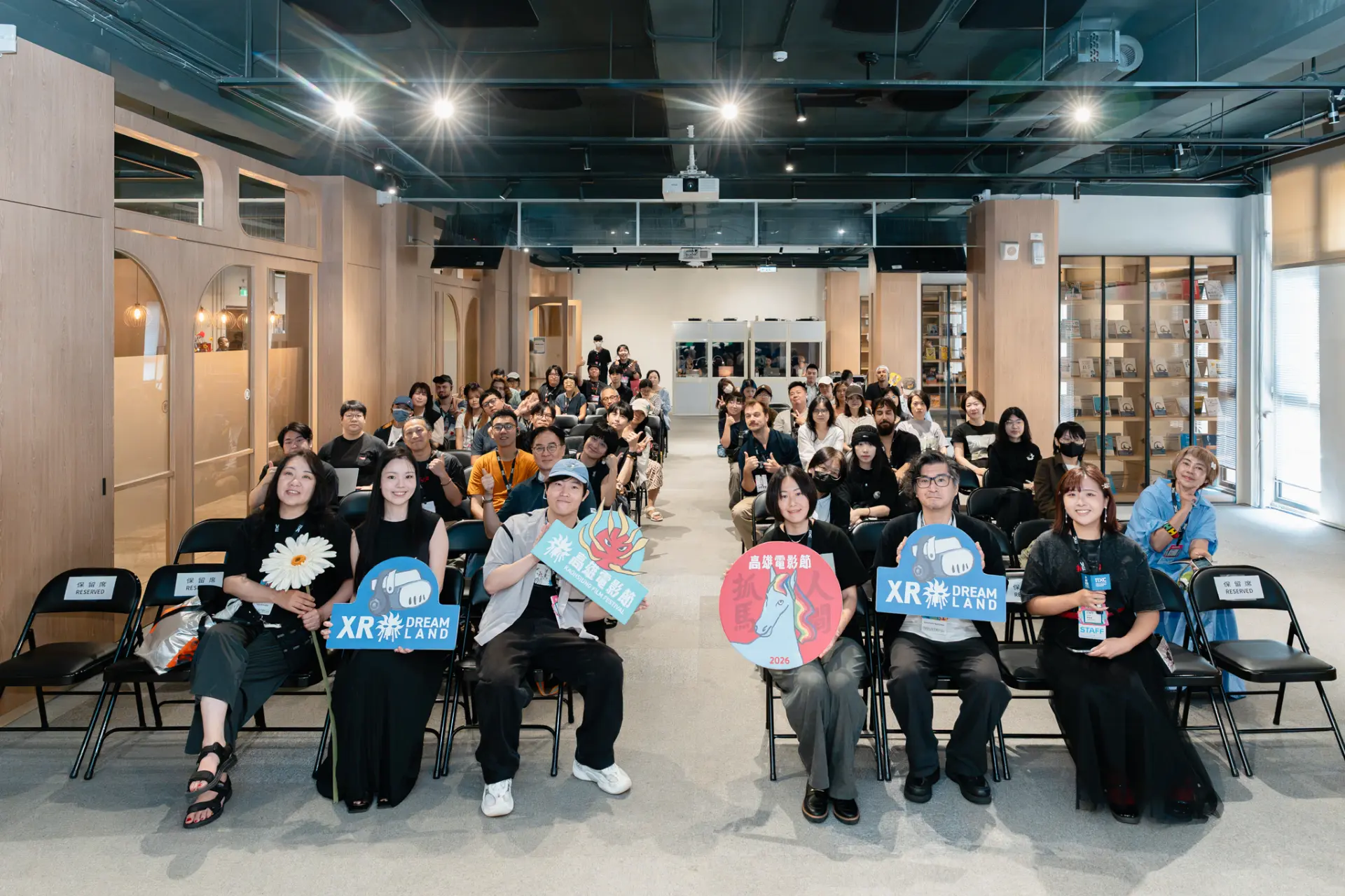
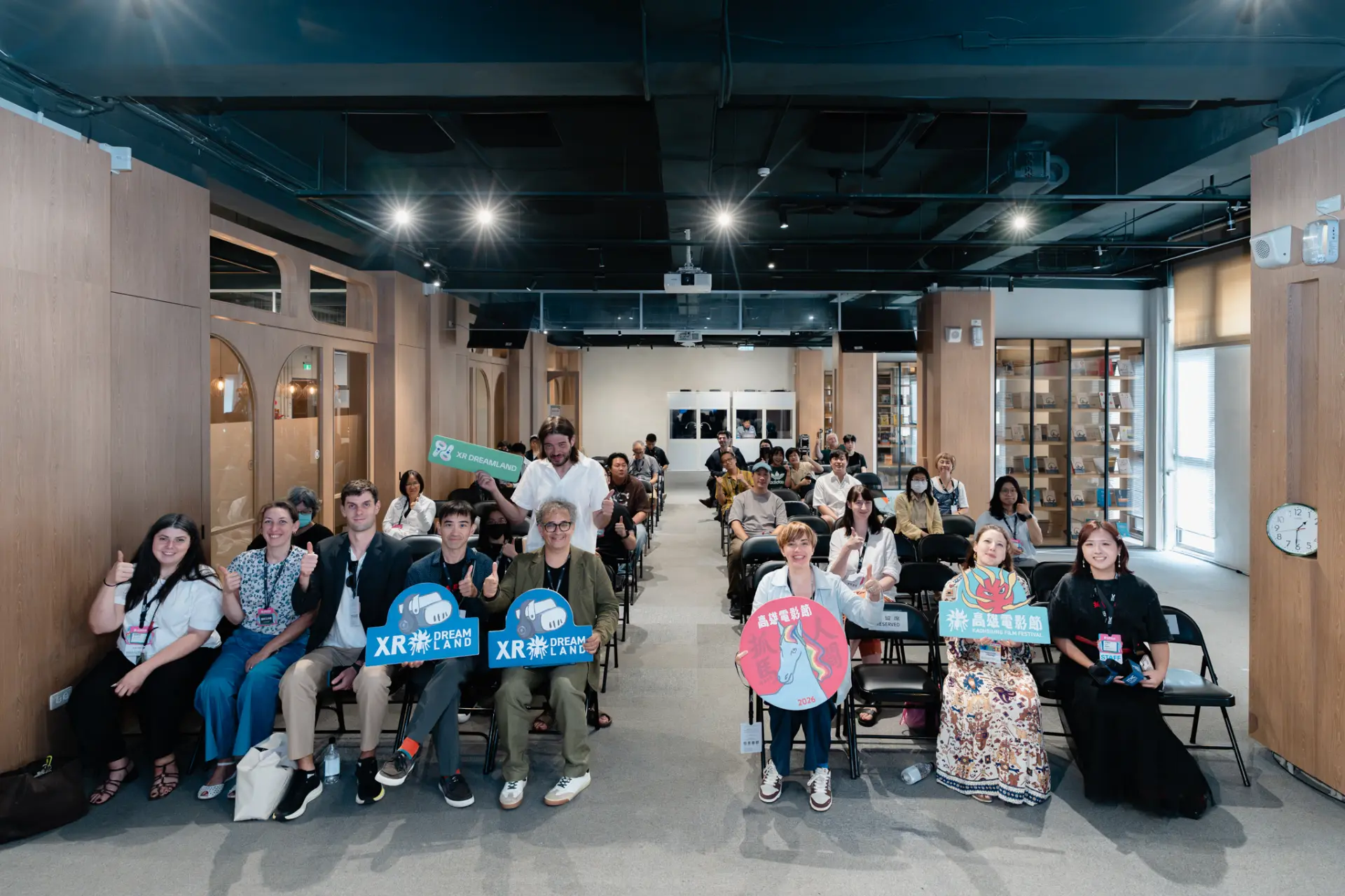
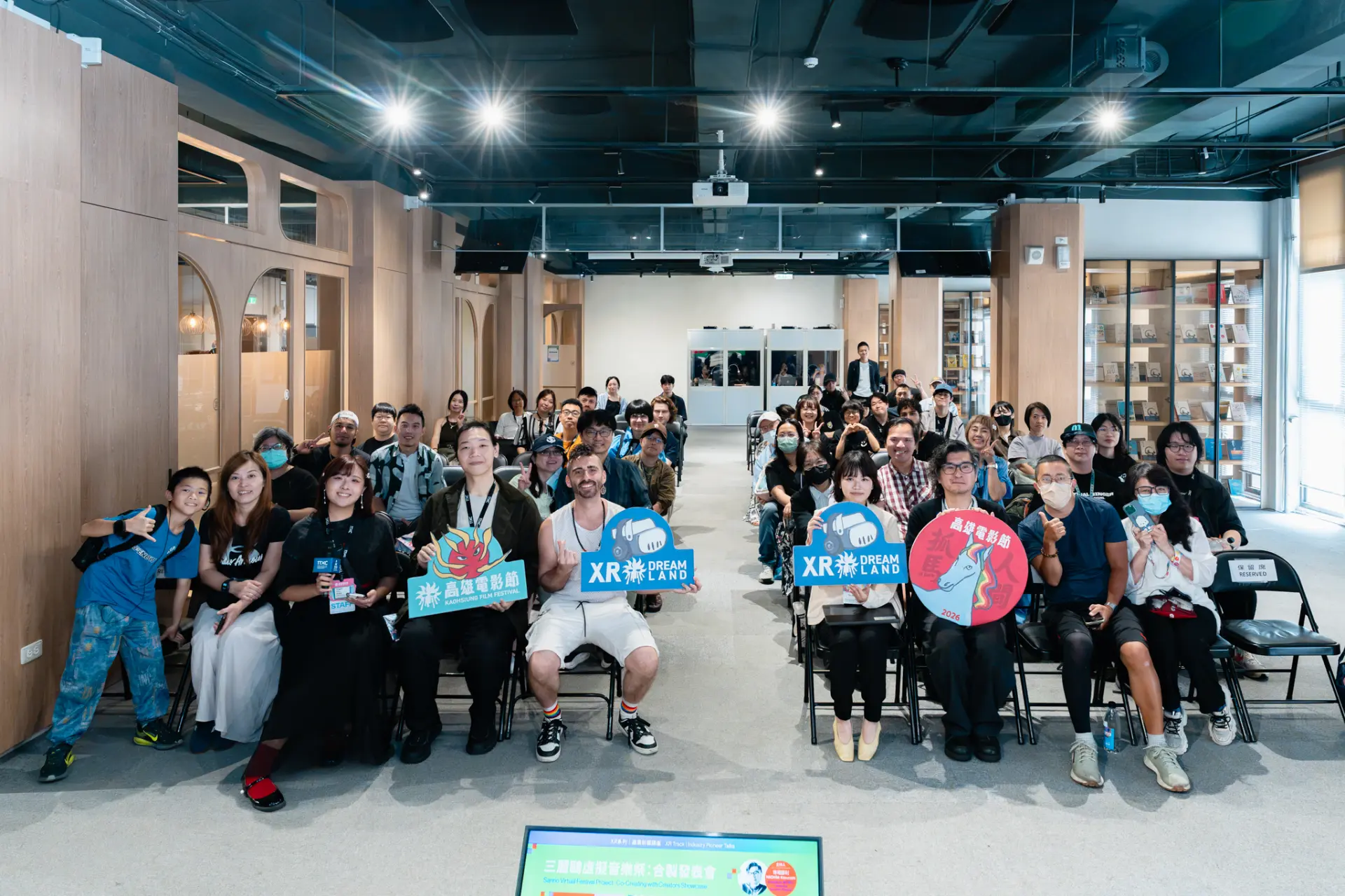
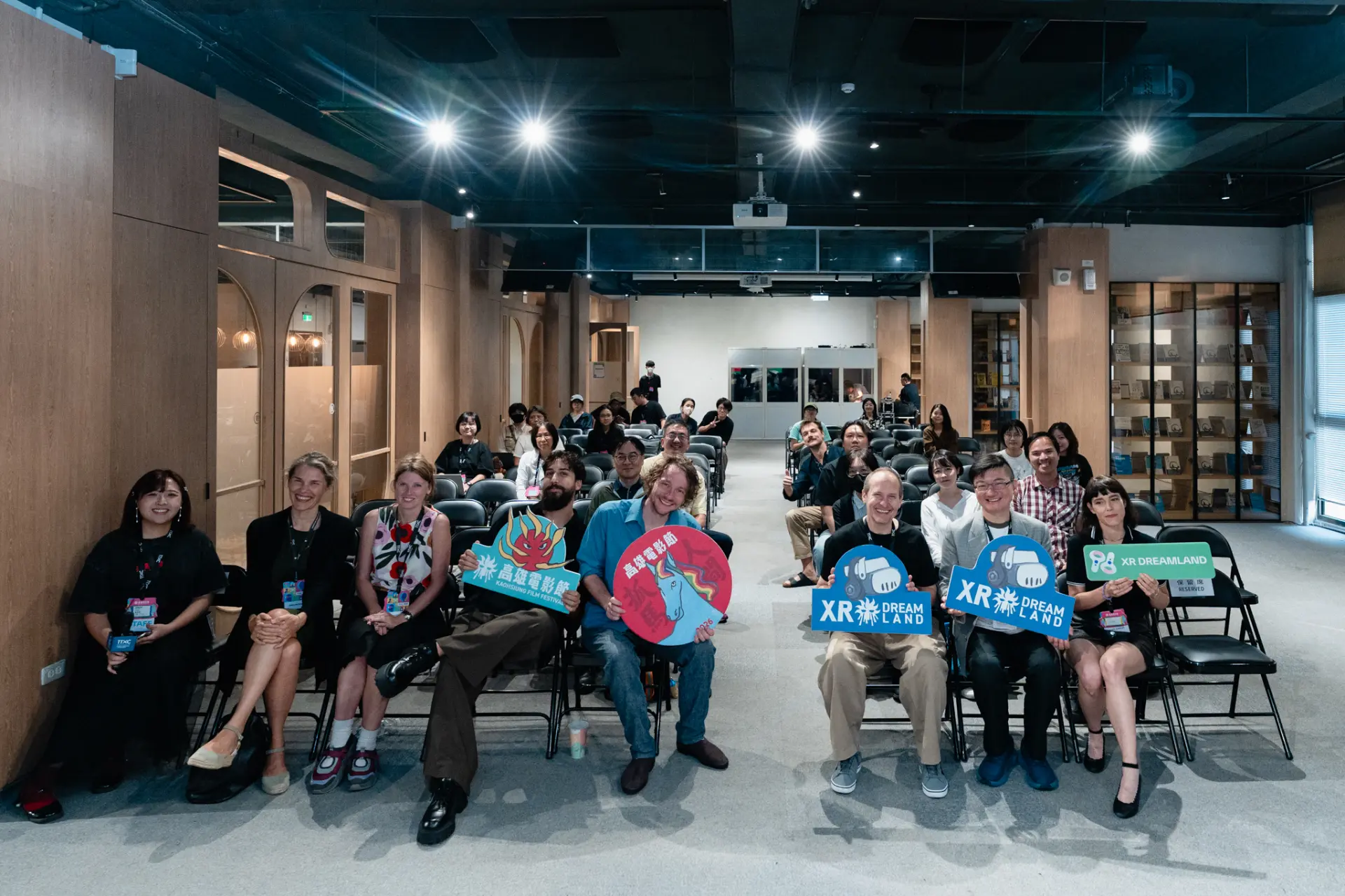
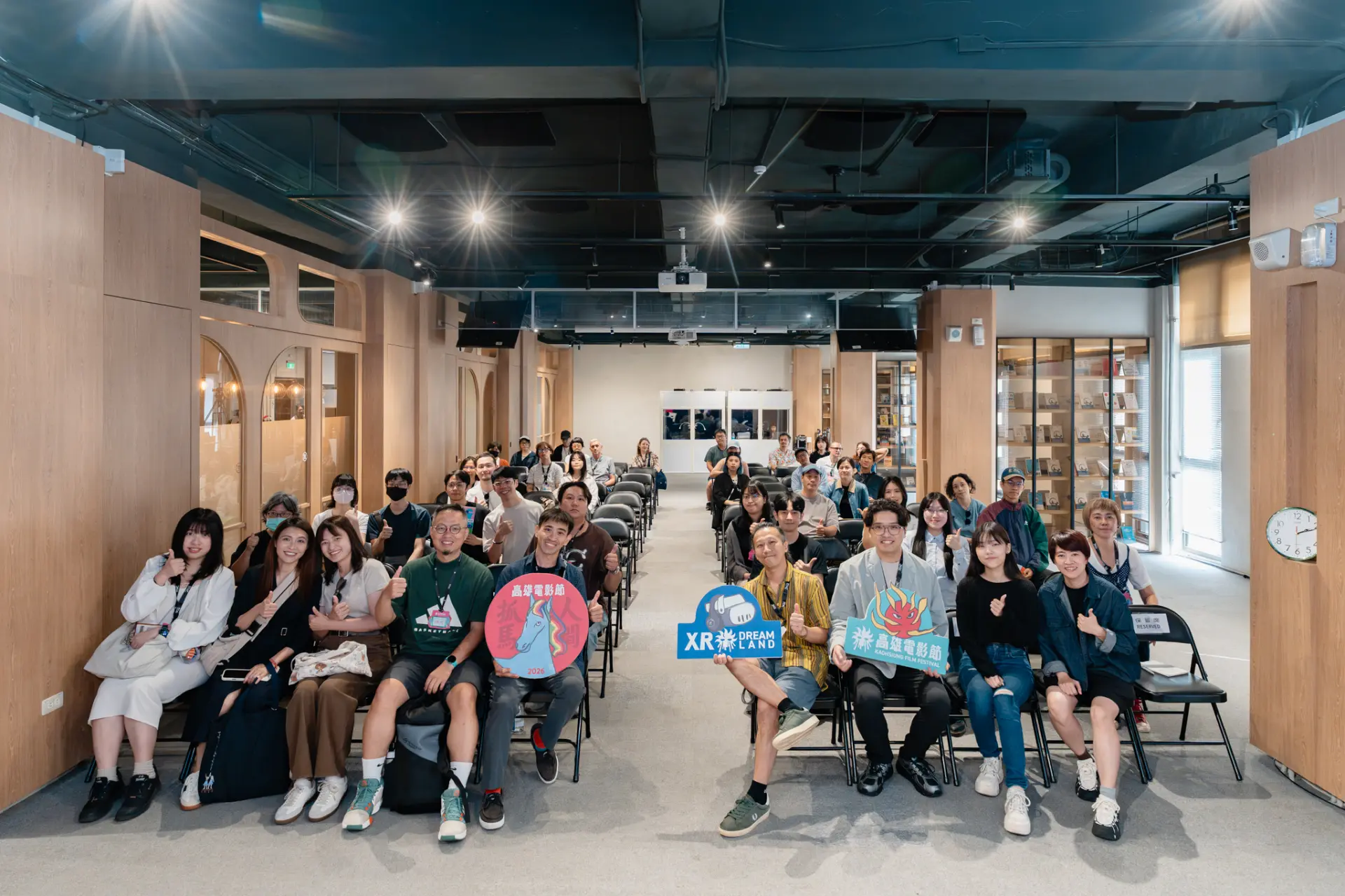
【 XR INDUSTRY EVENT 】Documentary Perspectives: Evoking Memories of Life Through VR
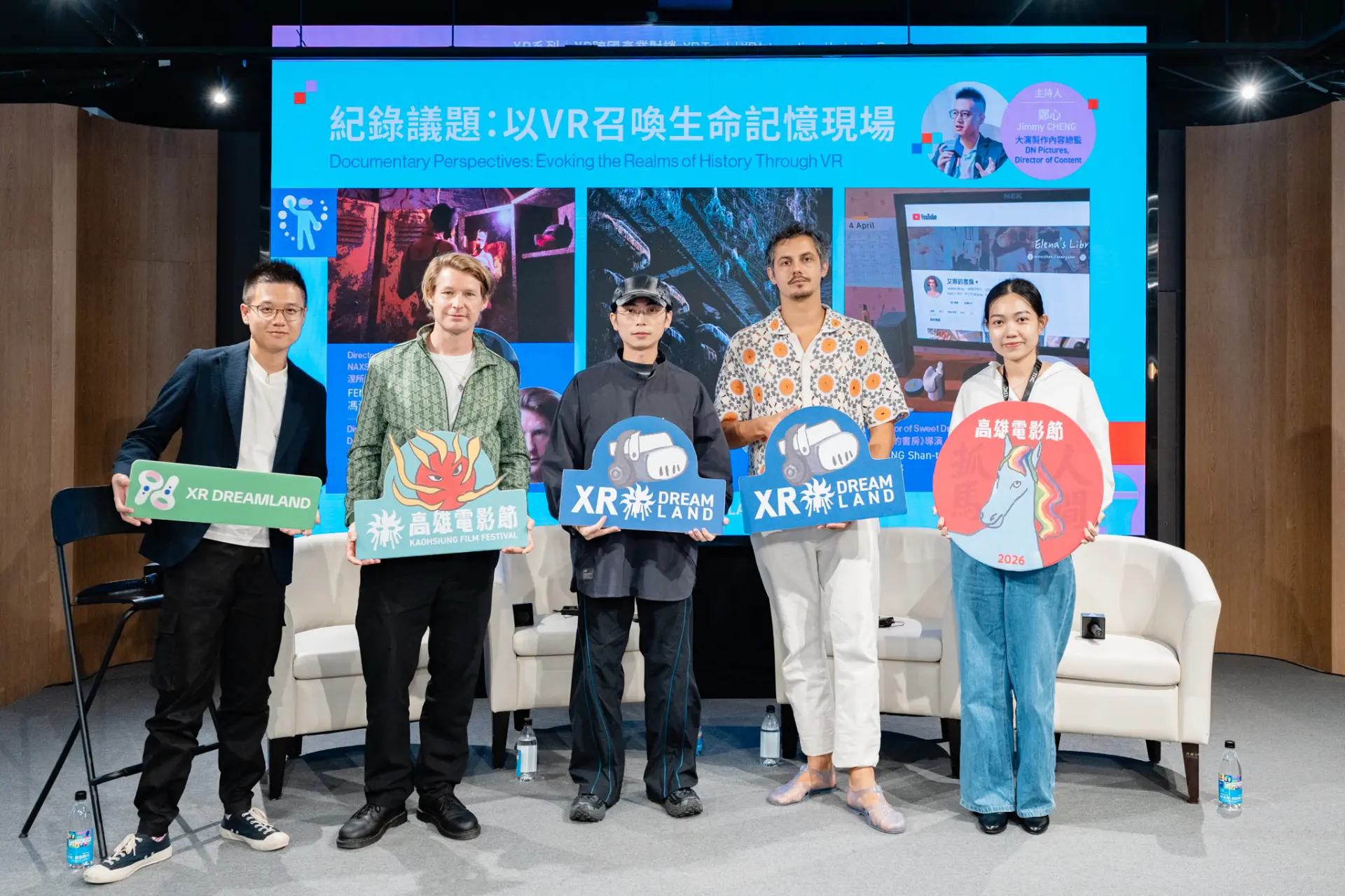
.Panelists
- Director of NAXS STUDIO|FENG Han-yu
- Director of Dark Rooms|Laurits FLENSTED-JENSEN
- Director of Katabasis|Ugo ARSAC
- Director of Sweet Dreams|CHANG Shan-ting
.Moderator
DN Pictures, Director of Content|Jimmy CHENG
____________________________________________________________________
This panel invited creators behind three VR works directly engaging with human lived experiences to discuss how immersive storytelling, spatial design, and interactive design can illuminate personal memories, lived reality, and social issues—guiding audiences into life scenes typically beyond reach.
Stepping into Inner Worlds: Understanding Diverse Worldviews
Laurits Flensted-Jensen, director of Dark Rooms, previously explored themes of gender identity and social class in his documentary work. With VR, he re-evaluates documentary forms to cultivate a deeper understanding by bringing audiences closer to the characters’ inner worlds. Rooted in the lived experiences of three real individuals, the production team hosted collaborative workshops with interviewees to transform personal stories into narratives exploring trauma and relational care.
Ugo Arsac, director of Katabasis, comes from a documentary background focused on marginalized communities. During an artist residency in New York, he discovered a diverse population living within the city's vast underground spaces. Inspired by the documentary Dark Days, Arsac set out to take audiences beneath the surface of the bustling metropolis to meet those who remain largely unseen yet form an integral part of urban life.
Sweet Dreams director Chang Shan-ting drew inspiration from the mass sexual assault case in France, Taiwan's "Creative Private Room" case, and her own personal experience to question whether VR can communicate bodily sensations that 2D imagery struggles to convey. Noting that societal awareness of digital sexual violence remains inadequate while victims face immense barriers to coming forward, she hopes the project fosters understanding and opens up public discussion.
Translating Lived Realities into Immersive Narratives
Chang noted that VR cannot truly transform an audience into another person, nor can it fully replicate the trauma experienced by victims. However, immersive media offer a unique opportunity to bridge the gap between audience and character through physical sensation and spatial exploration—helping viewers comprehend a protagonist's plight and the long aftermath of trauma.
In Katabasis, participants begin at a shared starting point but navigate distinct paths and endings based on their individual choices. Rather than constraining viewers to a linear narrative, the director allows audiences to chart their own journey, constructing a personal understanding and imagination of underground life.
Dark Rooms uses a lesser-known subculture as a point of entry to invite audiences to reflect on mutual care and how to transform pain into a source of healing. Feng Han-yu of NAXS STUDIO, who was involved in the technical production, shared that while the team was initially unfamiliar with the subject, research revealed intimate, deeply personal human stories that resonated universally. The team aims to utilize VR's intense sense of immersion to cultivate meaningful dialogue and mutual understanding across different perspectives.
Expanding Narrative Boundaries: From Visual Aesthetics to Interactive Design
Dark Rooms relies on abstract, dreamlike visuals to project its characters' inner realms. Feng explained that NAXS STUDIO frequently constructs fictional worlds using symbolic motifs; during discussions with the director, they encouraged a more symbolic and theatrical approach to the inner world, turning light and spatial scale into core narrative elements. Certain sequences intentionally delay dialogue, allowing viewers time to take in the space.
Katabasis utilizes 3D scanning to reconstruct the actual subterranean tunnels, railways, and underground galleries explored by the director. With VR headsets on, participants wander through these spaces to encounter interviewees, transforming authentic physical sites from static backgrounds into active pathways for discovering the city's hidden dimension.
Sweet Dreams refrains from explicitly depicting sexual violence, choosing instead to let viewers piece together the narrative through digital messages and personal journals—echoing the disorienting, fragmented nature of memory and time following trauma. Chang shared that through iterative user testing, the team fine-tuned the narrative intensity and guidance mechanisms to help audiences understand the story and prevent re-traumatizing audiences while preserving room for personal exploration and agency