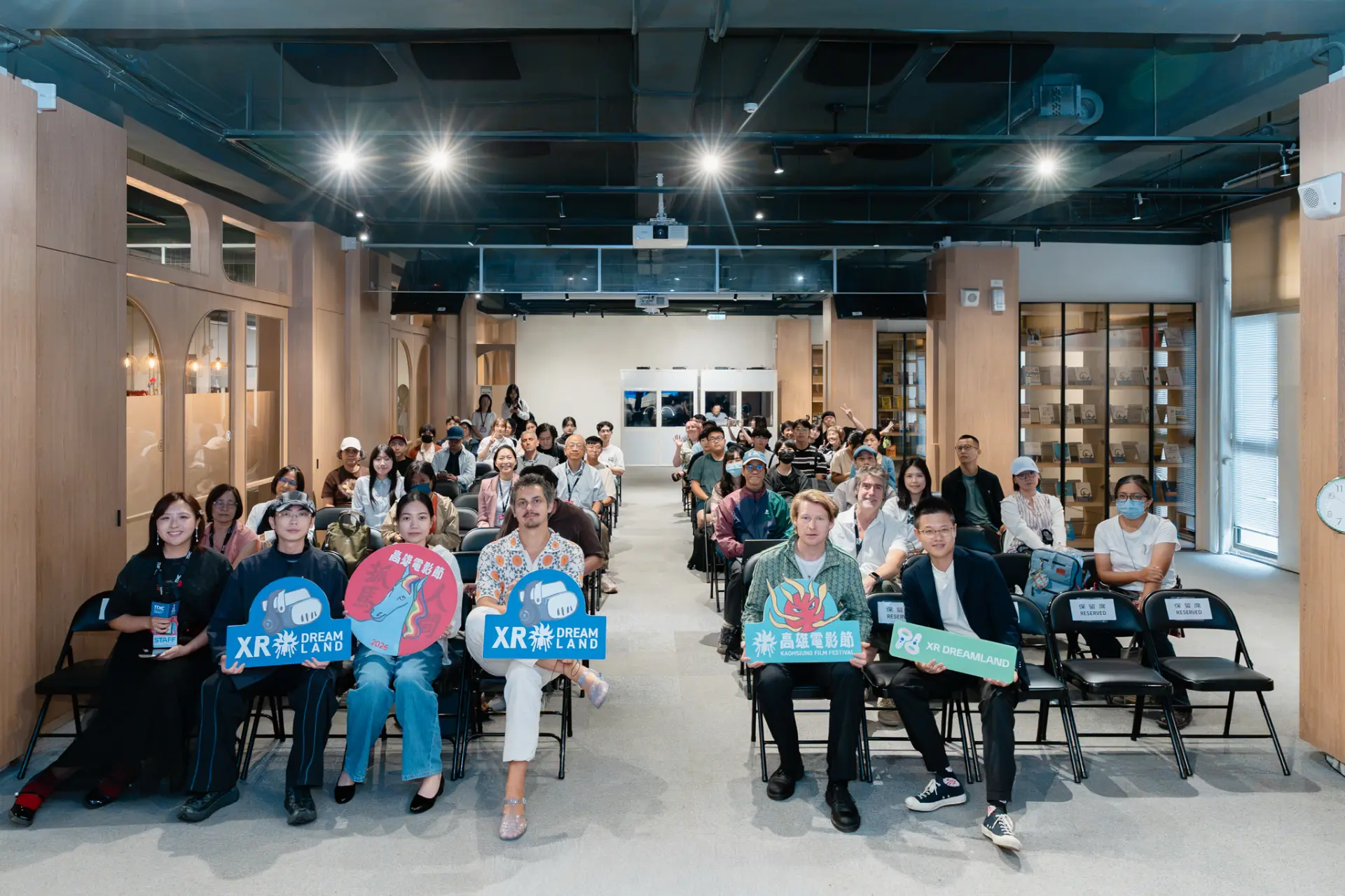
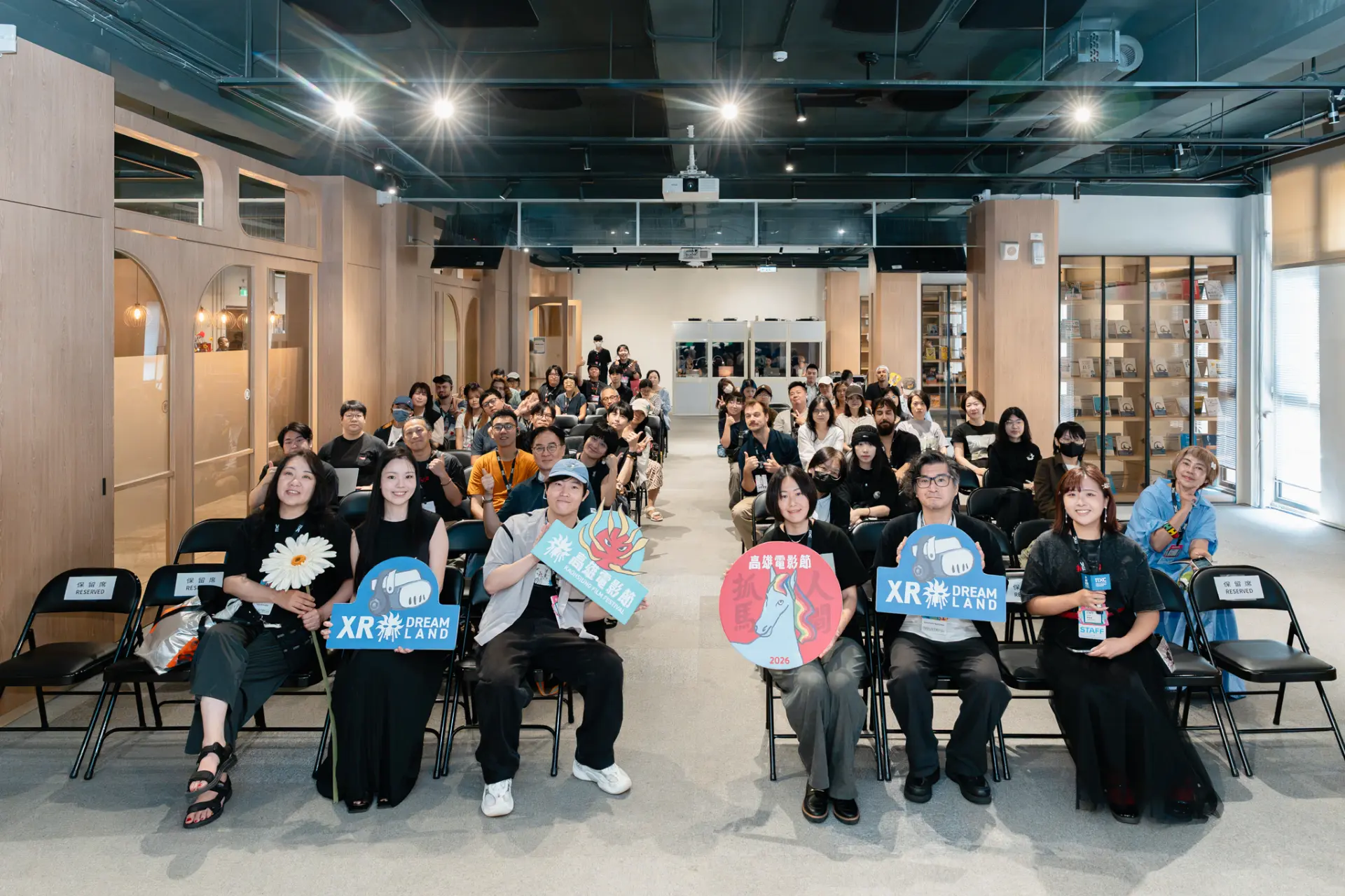
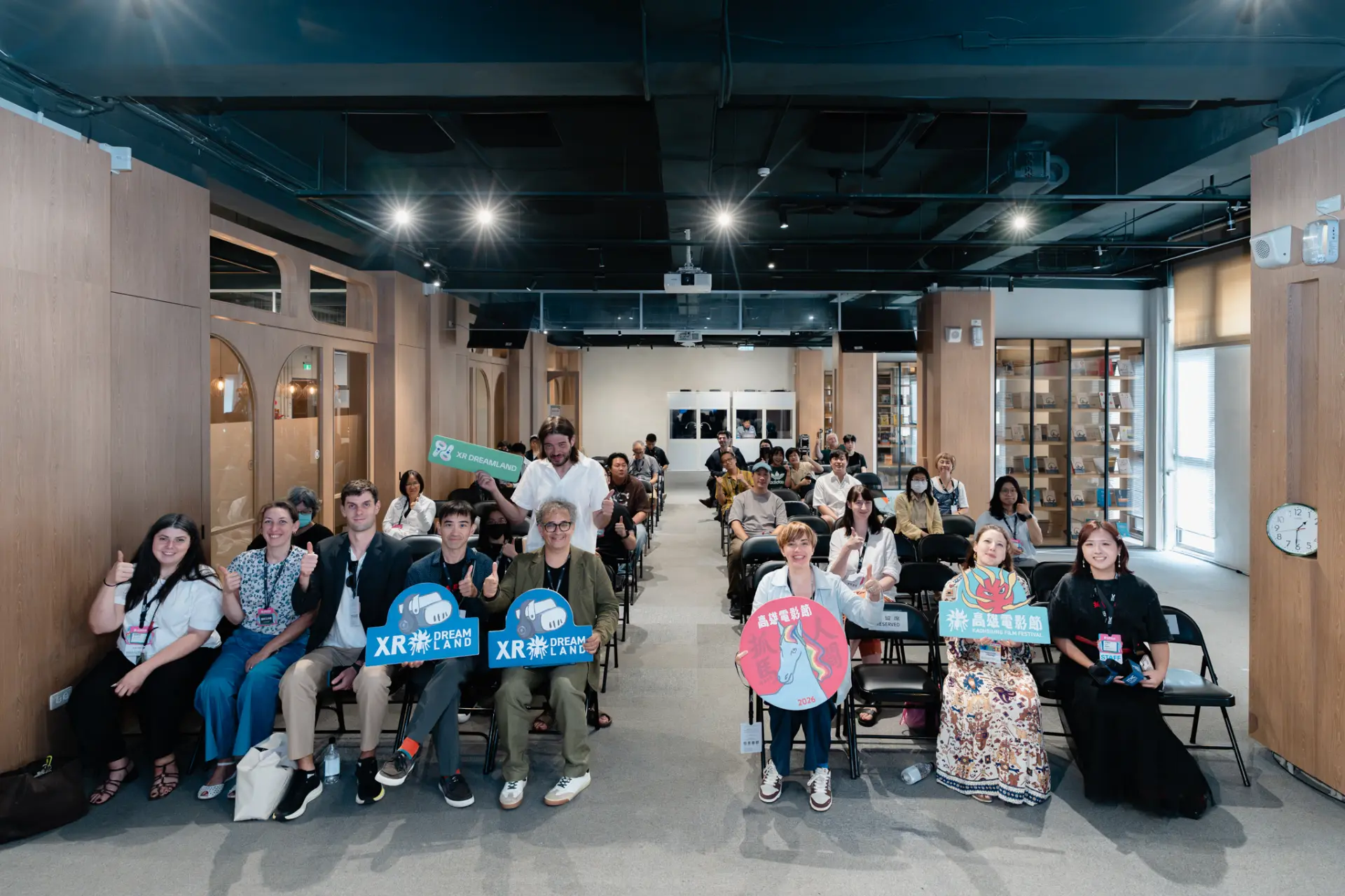
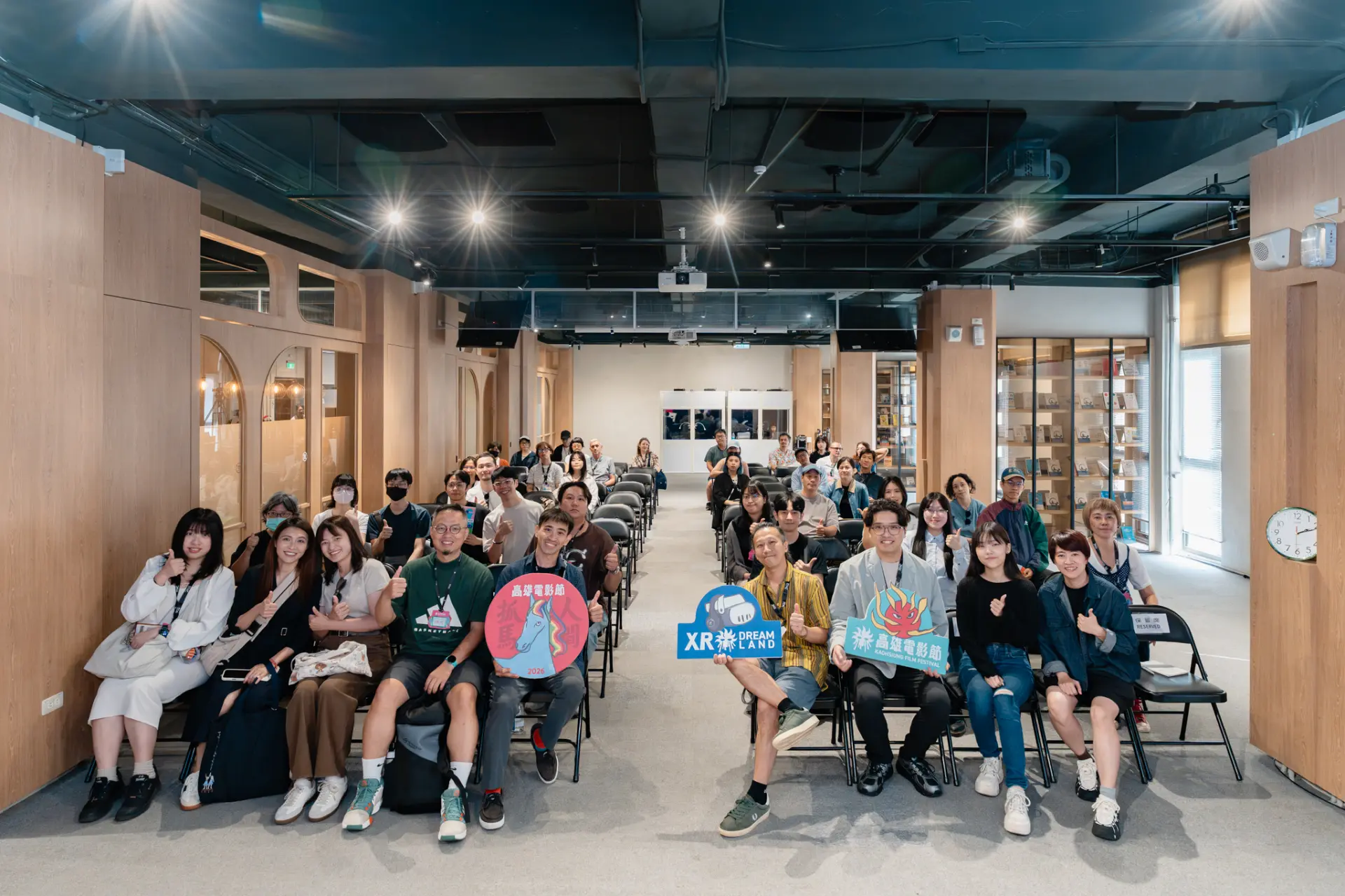
【 XR INDUSTRY EVENT 】Documentary Perspectives: Evoking the Realms of History Through VR
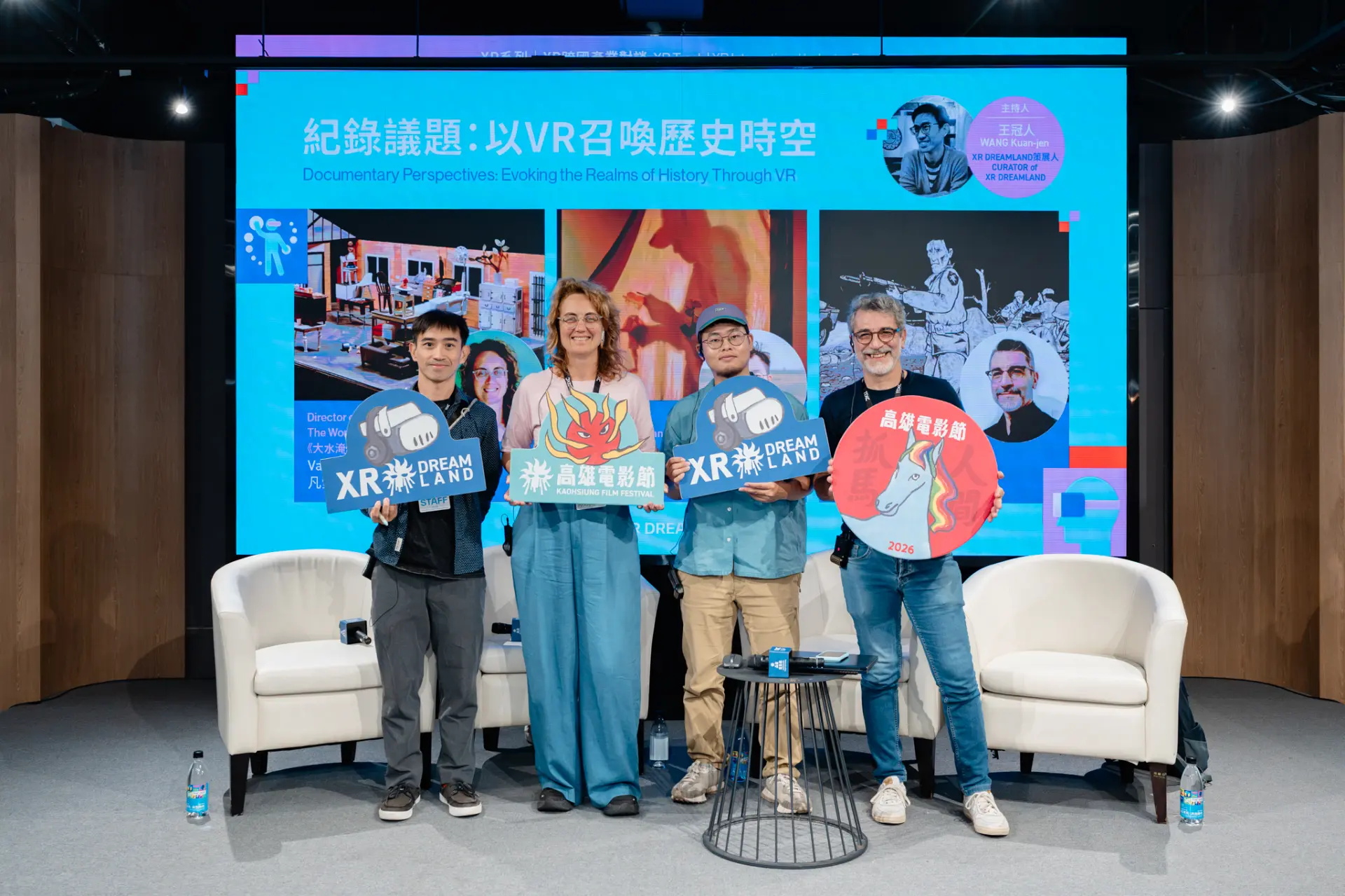
.Panelists
- Director of The World Came Flooding In|Van SOWERWINE
- Director of The Island of Shells|CHANG Hao-yuan
- Executive Producer of THE FORGOTTEN WAR|Richard TURCO
.Moderator
Curator of XR DREAMLAND|WANG Kuan-jen
____________________________________________________________________
This panel brought together creators behind three works exploring historical events to discuss how they integrate VR technology into their storytelling. Spanning White Terror in Taiwan, the Korean War, and major floods in Australia, each project explores how VR allows creators to revisit historical events and personal memories. From curating archival materials and framing narratives to spatial reconstruction, these projects aim not only to inform audiences, but to bring them closer to the lived experiences of those directly affected.
Revisiting History: Witnessing Involuntary Displacement
The Island of Shells originated when Director Chang Hao-yuan visited the Green Island White Terror Memorial Park in 2019 and heard the story of political victim Fred Chin. As an overseas student from Malaysia, Chin was swept into the White Terror for frequently reading at the USIS library. Struck by how close this history was to him, Chang directed the short film Oasis before expanding the story into VR, bringing viewers closer to what the victim experienced.
THE FORGOTTEN WAR represents the third chapter in Director Hayoun Kwon’s East Asian historical trilogy. Executive Producer Richard Turco explained that while sifting through historical archives, the team realized public understanding of colonial history is often constrained by a single historical perspective. Set during the Korean War, the project draws on oral histories from soldiers of diverse nationalities to move beyond national perspectives, prompting audiences to see how ordinary individuals were thrust onto the frontlines.
The World Came Flooding In focuses on the devastating 2022 Australian floods. Director Van Sowerwine and her team hosted workshops with flood survivors to recreate furniture lost in the disaster, gradually piecing together memories of home. Rather than dwelling solely on grief, both the creative team and interviewees sought to use this reflection on loss to rethink the concept of "home" and what matters most in life.
Curating Archival Material and Framing Narrative Angles
Centering on the Battle of Chipyong-ni, THE FORGOTTEN WAR integrates soldier interviews, archival photos, and personal documents to convey multi-perspective wartime memories. Turco acknowledged that given the complex international politics behind the battle—requiring representation of soldiers across four different nations—the sheer volume of archival material and range of perspectives made this chapter the most challenging of the trilogy to define narratively.
For The World Came Flooding In, the team initially aimed to reconstruct collective memories of the flood. However, field research revealed contrasting desires among survivors: while some wanted to confront the disaster directly, others preferred not to relive traumatic memories. The team chose to grant narrative agency back to the survivors, empowering them to shape the story, participate in set reconstruction, and record their own audio to preserve their distinctive storytelling styles.
Transitioning from documentary filmmaking to VR, Chang was especially mindful of avoiding further harm to victims. The Island of Shells employs shadow puppetry to translate Fred Chin's ordeal, allowing participants to manipulate a young boy puppet and accompany him through his story. Interactive choices that appear free on the surface mirror the circumstances of victims, who appear to have choices but struggle to control their own fate.
Recreating Time and Space: Challenges in Spatial Translation
During production, The World Came Flooding In reconstructed lost homes using miniature scale models before bringing them into virtual space via 3D scanning. To capture the raw realism of the flood, the team opted against 3D animation, choosing instead to film actual water flooding the miniature models. Though having only a single take heightened production difficulty, it successfully captured the profound sense of helplessness residents felt when disaster struck.
Making his VR debut, Chang described the process as navigating in the dark. While he considers VR capable of conveying emotions that documentaries struggle to capture, The Island of Shells retains live-action footage and real-world settings at its opening and conclusion to preserve documentary authenticity, honoring Fred Chin, who continues to share his story at the memorial park today.
THE FORGOTTEN WAR faced the delicate balance between historical detail and experience duration. Turco pointed out that location-based VR experiences require audiences to wear headsets, move through physical spaces, and interact with the environment, so including all the archival materials could make the experience too long. Consequently, the team streamlined the experience, planning an extended version to feature additional narrative perspectives in the future